

Public
The psychology of risk Understanding the mental effects of gambling behavior
The psychology of risk Understanding the mental effects of gambling behavior
The Nature of Risk in Gambling
Risk is an inherent aspect of gambling, deeply rooted in human psychology. When individuals engage in gambling activities, they often face uncertain outcomes that can lead to various emotional responses. This thrill of uncertainty compels many to gamble repeatedly, as the potential for significant rewards can overshadow the risks involved. At our online gaming platform, you can explore the exciting world of casino mafia, providing a myriad of games to choose from. Understanding this psychological relationship is crucial for both casual players and those struggling with gambling addiction.

Research has shown that the brain reacts to the possibility of winning much like it does to other pleasurable activities. The anticipation of a potential win can release dopamine, a neurotransmitter associated with pleasure and reward. This biochemical reaction can create a cycle where players become more invested in their gambling behavior, seeking that rewarding feeling over and over, often leading to irrational decisions.
This cycle of risk and reward is what makes gambling so addictive. Players may become desensitized to losses, convinced that a win is just around the corner. They may also engage in superstitious behavior, believing that certain rituals or strategies will enhance their odds. This psychological trap can escalate over time, complicating one’s relationship with gambling and leading to negative consequences in other areas of life.
The Role of Cognitive Biases
Cognitive biases play a significant role in gambling behavior. These mental shortcuts can lead individuals to make illogical decisions based on their experiences and beliefs rather than objective reality. One prevalent cognitive bias in gambling is the illusion of control, where players believe they can influence the outcome of games that are fundamentally random, such as slot machines or roulette.
This illusion can drive players to gamble more frequently, as they think their actions can change the odds in their favor. Additionally, gamblers often suffer from confirmation bias, where they focus on wins and ignore losses, reinforcing their belief that they are better than they actually are. These biases can distort reality and lead to persistent gambling behavior, even when the risks outweigh potential rewards.
Moreover, the concept of loss aversion, where individuals prefer to avoid losses rather than acquiring equivalent gains, can further complicate gambling behavior. Gamblers may continue to wager in an attempt to recover losses, which can lead to a downward spiral of increased betting. Understanding these cognitive biases is essential for recognizing unhealthy gambling patterns and for developing strategies to mitigate their effects.
The Emotional Impact of Gambling
The emotional impact of gambling can be profound and multifaceted. For many, gambling provides an escape from daily stressors and a temporary high through the thrill of the game. However, this emotional rollercoaster can lead to significant psychological distress. The highs of winning can be exhilarating, while the lows of losing can evoke feelings of shame, anxiety, and depression.
As players become more engrossed in gambling, their emotional state often becomes increasingly tied to their wins and losses. A winning streak can boost self-esteem and create a sense of invincibility, while losses can lead to guilt and desperation. This emotional volatility can strain relationships, affect job performance, and lead to financial hardship.
Additionally, gambling can become a coping mechanism for individuals dealing with underlying mental health issues. Some may gamble to alleviate feelings of loneliness, depression, or anxiety. Unfortunately, this can create a cycle of dependency on gambling as a means of emotional regulation, making it even harder to break free from its grip. Recognizing these emotional effects is crucial for fostering healthier behaviors and seeking appropriate support.
Social Influences and Gambling Behavior
Social influences significantly affect gambling behavior and attitudes towards risk. Cultural norms, peer behaviors, and societal perceptions of gambling can shape individual choices. In some cultures, gambling is seen as a harmless pastime, while in others, it may carry negative stigmas. These societal views can impact an individual’s willingness to engage in gambling or seek help for problematic behavior.
Furthermore, peer pressure can play a crucial role, especially among younger individuals. Those surrounded by friends who gamble may feel compelled to join in, often downplaying the risks involved. Social media and online platforms can amplify these influences, with advertisements glamorizing gambling and portraying it as a pathway to excitement and wealth, further enticing individuals to partake.
Ultimately, the social context surrounding gambling is complex and can contribute to both healthy and unhealthy behaviors. Awareness of these influences can aid in understanding one’s motivations for gambling and the potential for developing problematic habits. Cultivating a balanced perspective on gambling, influenced by positive social interactions and informed choices, can lead to healthier outcomes.
Exploring Responsible Gambling Practices
Responsible gambling practices are essential for mitigating the psychological risks associated with gambling. Establishing clear limits on time and money spent on gambling activities can help maintain a healthy relationship with this form of entertainment. Players are encouraged to set budgets and to adhere to them strictly, preventing the emotional distress that often accompanies significant losses.
Education plays a crucial role in promoting responsible gambling. Awareness campaigns can inform players about the risks, cognitive biases, and emotional impacts related to gambling, empowering them to make informed decisions. Many gaming platforms now offer resources for self-assessment and support, allowing players to recognize their behaviors and seek help if needed.
Moreover, creating supportive environments where individuals can share experiences and discuss challenges openly can foster healthier gambling practices. Encouraging open dialogues about gambling can demystify the subject and help reduce stigma, allowing those struggling with gambling behavior to seek help without fear of judgment. Adopting these responsible practices can significantly diminish the psychological effects of gambling and promote long-term well-being.
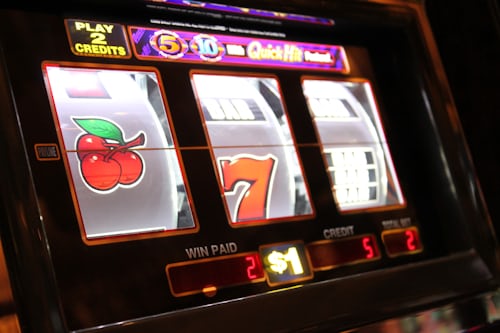
Discovering Mafia Casino’s Commitment to Player Safety
Mafia Casino exemplifies a commitment to providing a safe and enjoyable gaming environment. With a wide array of games and user-friendly interfaces, it prioritizes player satisfaction while ensuring that responsible gambling measures are in place. The platform offers various tools to help players manage their gaming habits, such as deposit limits and self-exclusion options.
Additionally, Mafia Casino recognizes the importance of educating its players about the potential risks associated with gambling. Through informative resources and customer support, the casino aims to foster a culture of awareness and responsibility. By actively engaging with players and providing assistance, it helps create a gaming experience that is both exciting and safe.
Ultimately, Mafia Casino stands out not just for its impressive game selection but also for its dedication to promoting responsible gaming. By combining thrilling gameplay with essential support systems, players can enjoy their experience while being mindful of their mental and emotional well-being. This approach underscores the casino’s role as a responsible leader in the gaming industry.
